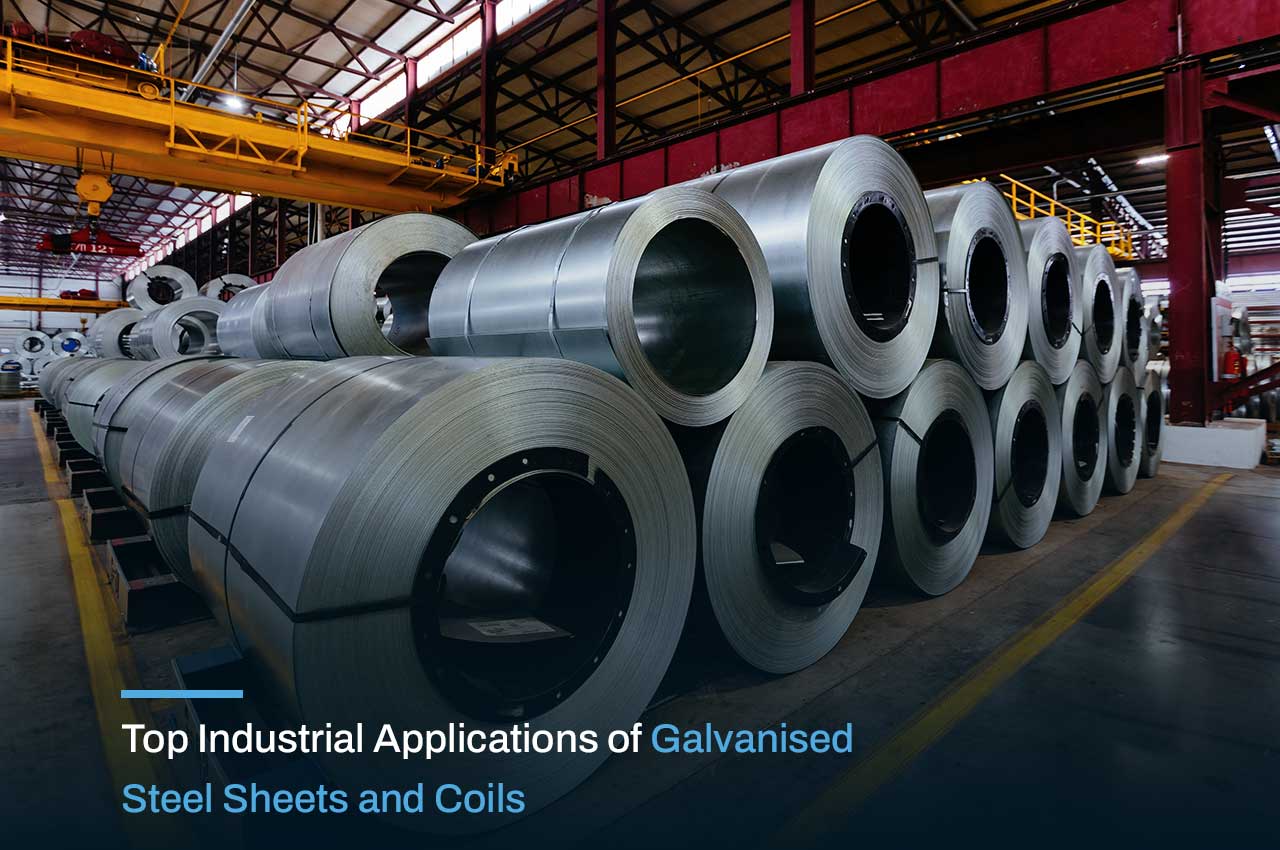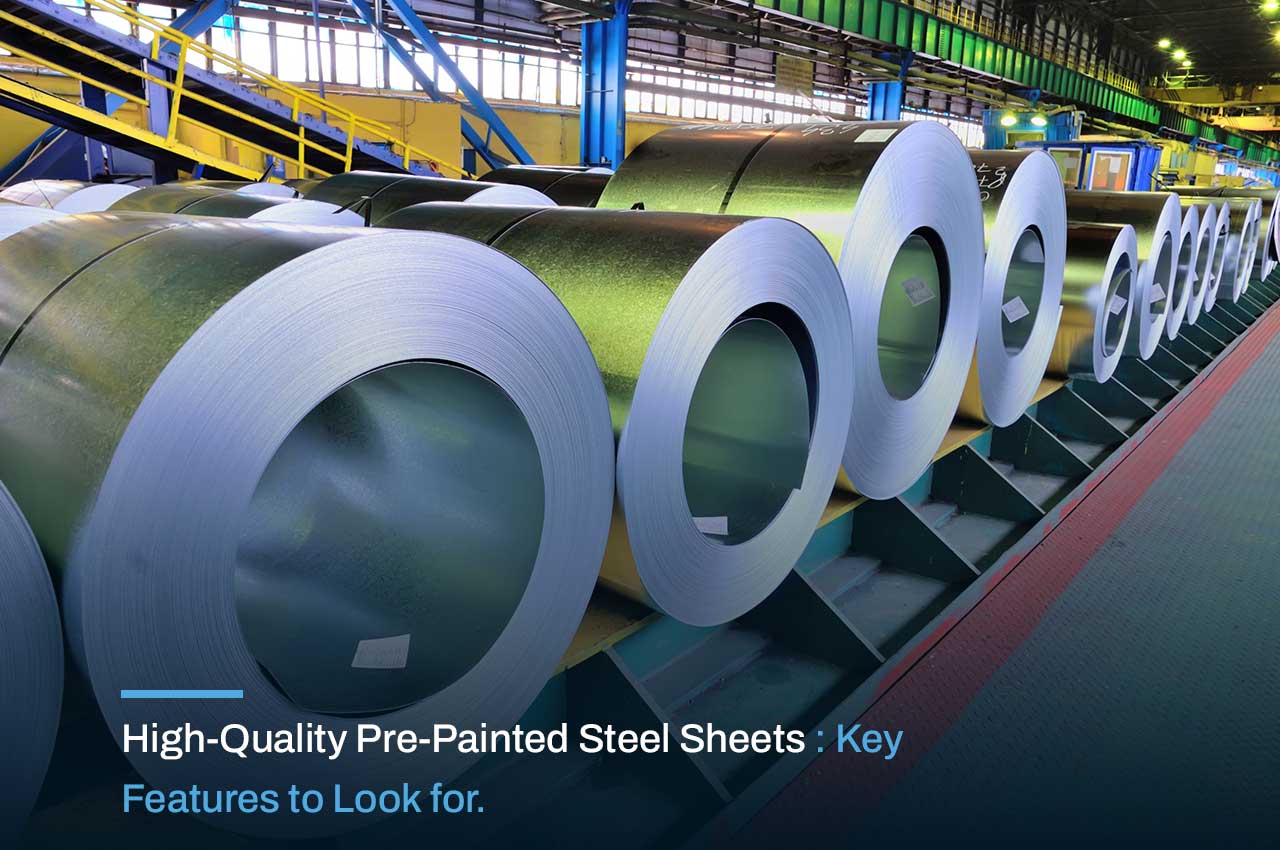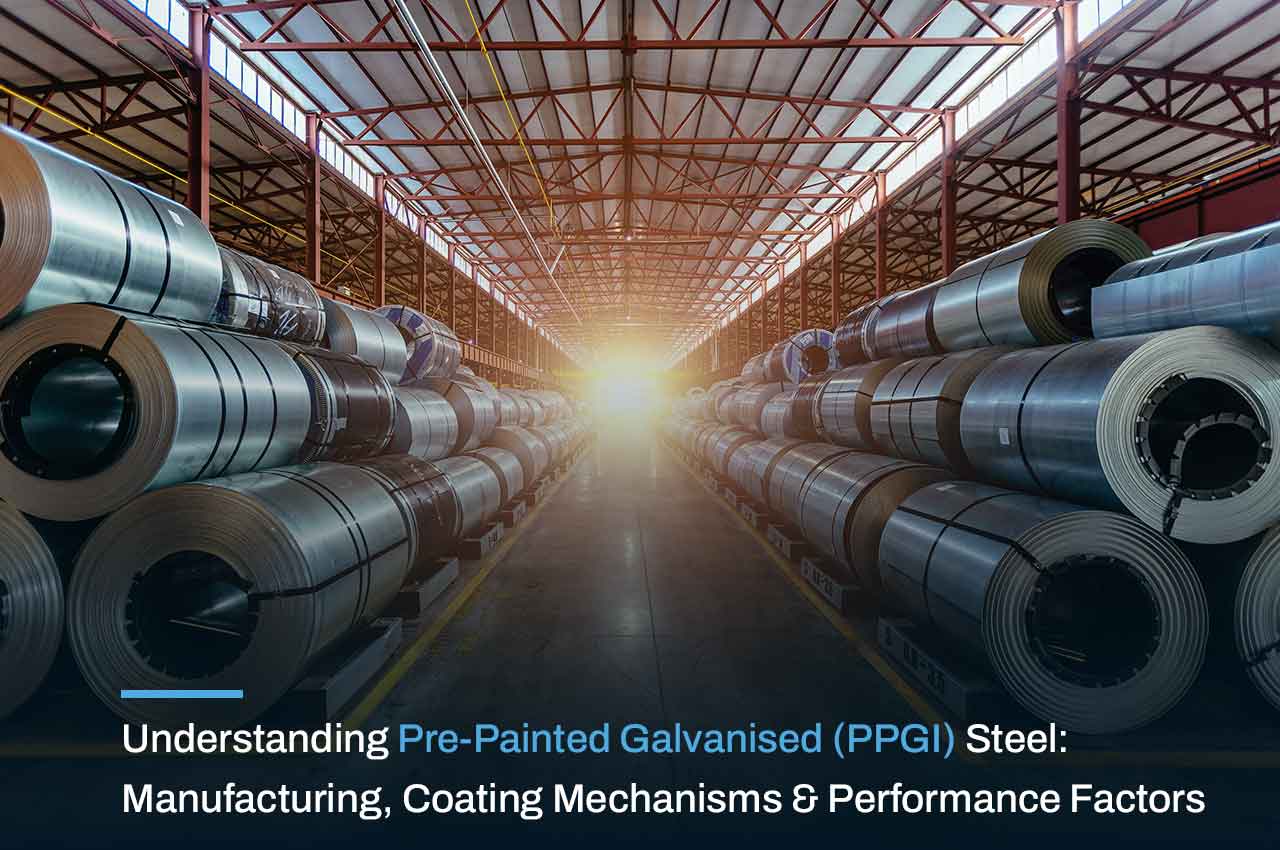

For a long time, steel has formed the basis for automotive design. It is essential for automobile body panels and frames to have the required stiffness and strength. Its downside is that, when it comes in contact with oxygen, salt, and moisture, steel rusts. Galvanised steel is used by manufacturers to avoid this – steel that has been coated in zinc to provide a protective layer. Steel that has gone through the process of galvanisation is corrosion-resistant, durable and structurally sound in demanding environments.
Galvanised steel can be found in various parts of the vehicle, including areas that are clearly visible and structural elements. Below is a breakdown of both the visible and hidden aspects of each of its main uses:
1.Car Body Panels
The exterior panels (doors, bonnets, roofs, and fenders) are highly exposed to rain, moisture, road salt, and scratches. Galvanising the steel provides rust protection for these exterior panels and better preserves the exterior appearance of the vehicle for a longer time. The coating of zinc also allows for a firmer adhesion of the paint, allowing for even more seamless paint applications for lasting finishes.
2.Chassis and Frame
The chassis starts as the main structure of the vehicle and helps support the weight of the car and helps absorb impact during a collision. The chassis and frame will be the most exposed to different elements such as moisture, road dirt, and debris. Corrosion from oxidation is a high-level risk with the structure of the vehicle. Galvanising the steel helps protect against corrosion of this critical structure throughout the vehicle’s lifetime.
3.Fuel Tanks and Exhaust Systems
Fuel tanks contain petrol or diesel, while exhaust systems manage the hot gases and condensation produced by internal combustion engines. The proximity of these applications to the fuels and major exhaust manufacturing components pose a higher adherent risk for these applications due to chemical corrosion. As a safe metal to use, galvanised steel is particularly usable because it can safely manage the hot, extreme, and constant condition exposures found along these components, as well as greatly reduce the risks of leakages and premature wear.
4.Fasteners and Small Components
It is not just large panels that are galvanised; smaller components are equally critical. For example, nuts, bolts, clips, and reinforcements are also frequently manufactured from galvanised steel. If rust develops on these nuts, bolts, and components, stability will be affected within larger assemblies of structural components. Galvanised steel is important for solid fasteners, and other small components will stay in place longer.
These examples explain why galvanised steel remains an integral material across many applications within vehicles.
The use of galvanised steel in automotive applications goes beyond ease of use. It impacts vehicle safety, longevity, cost-effectiveness, and sustainability.
1.Corrosion Resistance
Rust is a serious threat to a vehicle’s lifespan. The zinc coating provides two ways of protection: one, as a physical barrier to moisture and oxygen, and two, as sacrificial protection; in other words, the zinc will corrode before the underlying steel. Even if the surface gets scratched, as long as there is zinc, the steel will remain protected.
2.Greater Safety
The safety performance of a vehicle is dependent on the frames and panels being low-strength, rust-free structures. It could get pretty dangerous if any frames or panels experience corrosion that can collapse or fail in crash protection. Galvanised steel maintains the integrity of important structural components and ensures consistent safety performance for the life of the vehicle.
3.Extended Vehicle Longevity
Perception of car longevity is ten to fifteen years or longer (in severe weather regions). While galvanised steel can increase the usable life of a vehicle, addressing rust issues can help the vehicle remain roadworthy and retain some residual value down the road.
4.Cost Savings
Although galvanising is an additional production step, in the long term, it saves manufacturers and consumers money. Cars built with galvanised steel will ultimately cost owners less in repairs and replacements, and therefore, fewer warranty claims. Overall, consumers will have lower costs in maintenance, which makes the vehicle a more attractive option.
Final Thoughts
Galvanised steel for automotive applications is a necessity due to its corrosion resistance, safety, cost-effectiveness, and recyclability. As vehicles have become even more sophisticated, the galvanised steel roll will evolve further, solidifying its place as a material supporting longer-lasting, better-performing and safer cars.
FAQs
Q. What is galvanised steel in cars?
A. It is steel coated with zinc to protect against rust and corrosion.
Q. Why is galvanised steel important for automotive applications?
A. It improves durability, safety, and lifespan while lowering maintenance costs.
Q. Which car parts commonly use galvanised steel?
A. Body panels, chassis, fuel tanks, exhaust systems, and fasteners.